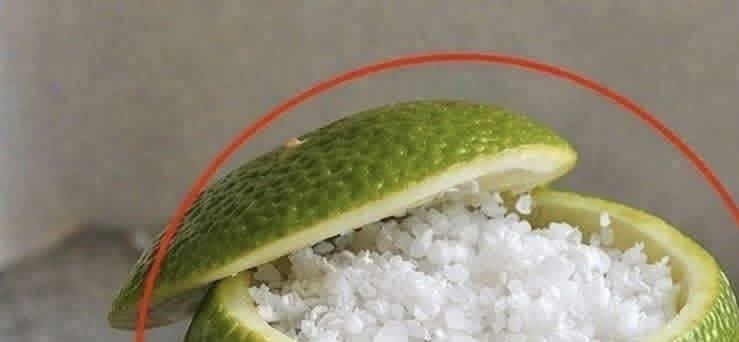
Lemon and salt are two simple ingredients found in many kitchens, and they are often featured in traditional home-cleaning tips and natural household remedies. One popular idea suggests cutting a lemon near the top, filling it with salt, and placing it somewhere in the room. The claim is that this simple combination can dramatically improve the atmosphere of a room.
While it is important not to exaggerate what this method can do, lemon and salt can have practical household uses. Lemon has a fresh citrus aroma, while salt can help absorb moisture and is commonly used in simple cleaning applications. Together, they can make an interesting low-cost addition to your home-care routine.
What Is the Lemon and Salt Room Trick?
The basic method is very simple. A lemon is cut near the top, with the upper part left attached or used as a lid. The inside is opened slightly and filled with ordinary salt. The lemon is then placed in a small dish or another stable container and positioned in a room.
The idea behind this traditional trick is mainly related to fragrance and freshness. As the lemon sits open, its natural citrus aroma can become noticeable. The salt may also absorb some moisture from its immediate surroundings, although it should not be considered a powerful household dehumidifier.
Why Does Lemon Smell So Fresh?
Lemon peel contains naturally occurring aromatic oils, including compounds that produce the familiar citrus scent. When lemon is cut or its peel is disturbed, these aromatic compounds can become more noticeable.
This is one reason lemons are commonly used in household cleaning and deodorizing routines. The fresh scent can make a space seem cleaner and more pleasant.
However, fragrance is not the same as air purification. Placing a lemon in a room does not remove harmful pollutants, eliminate mold, or replace proper ventilation.
What Does Salt Do?
Salt has several useful properties that explain why it appears in traditional household tips. It can absorb moisture under certain conditions and is commonly used in food preservation and simple cleaning methods.
When salt is placed inside a cut lemon, it may gradually become damp as it interacts with moisture. This can make the mixture interesting as a small household deodorizing experiment.
Still, the quantity of salt in a lemon is far too small to meaningfully control the humidity of an entire room. If a room has excessive humidity, proper ventilation, a dehumidifier, or professional moisture control is much more effective.
How to Make a Lemon and Salt Freshener
If you want to try this simple household idea, use:
- 1 fresh lemon
- 2 to 3 tablespoons of salt
- A small plate or bowl
Cut the lemon near the top, leaving enough of the fruit intact to hold the salt. Gently open the lemon and add the salt inside.
Place the lemon on a stable dish in a well-ventilated area where it cannot easily be knocked over. Avoid placing it directly on delicate furniture because lemon juice and moisture can potentially damage certain surfaces.
Replace the lemon when it becomes old, moldy, or unpleasant-smelling.
Where Can You Place It?
A lemon and salt mixture can be placed in an area where you simply want a mild citrus aroma. A kitchen, dining area, or other well-ventilated room may be suitable.
Avoid placing it where children or pets could easily reach it, particularly because citrus peels and concentrated citrus materials can be irritating or unsuitable for some animals.
It is also better to use a small dish underneath the lemon to protect the surrounding surface from moisture.
Can Lemon and Salt Remove Bad Odors?
Lemon can help provide a pleasant citrus fragrance, which may make unpleasant smells less noticeable. Salt may also have limited moisture-absorbing properties.
However, this does not mean the combination removes the source of an odor. If a room smells musty, for example, the underlying cause could be excess moisture, dirty fabrics, poor ventilation, or mold.
The most effective approach is to identify and remove the source. Washing fabrics, cleaning surfaces, improving ventilation, and controlling humidity are generally more useful than relying on a scented ingredient.
Lemon and Salt for a Fresher Home
One benefit of simple household techniques is that they encourage people to use basic ingredients instead of relying on complicated products. Lemon can be useful for its pleasant scent and its role in some cleaning routines, while salt has a long history of practical household uses.
For everyday freshness, however, simple habits are often more important. Opening windows when appropriate, allowing fresh air to circulate, cleaning regularly, washing fabrics, and keeping damp areas dry can make a noticeable difference.
Important Things to Remember
The lemon and salt trick should be considered a traditional home-freshening idea rather than a scientifically proven method for purifying indoor air or improving health.
It cannot cure illness, remove dangerous airborne substances, or replace medical treatment. Claims that placing a lemon filled with salt in your room can “change your life” should therefore be viewed as social-media-style exaggeration.
If you enjoy the smell of fresh lemon, there is little reason not to experiment with this simple idea while following basic household safety precautions.
Final Thoughts
The lemon and salt room trick is an inexpensive and easy household idea that may provide a mild citrus aroma and offer a small moisture-absorbing effect around the mixture. Its main appeal is its simplicity and the familiar freshness of lemon.
For a genuinely fresher indoor environment, combine simple home remedies with good ventilation, regular cleaning, moisture control, and proper maintenance. A lemon filled with salt can be a pleasant little addition to your home-care routine, but it should not be treated as a miracle solution.
The best household tricks are those that are simple, realistic, and safe—and lemon and salt can certainly fit that description when used with reasonable expectations.