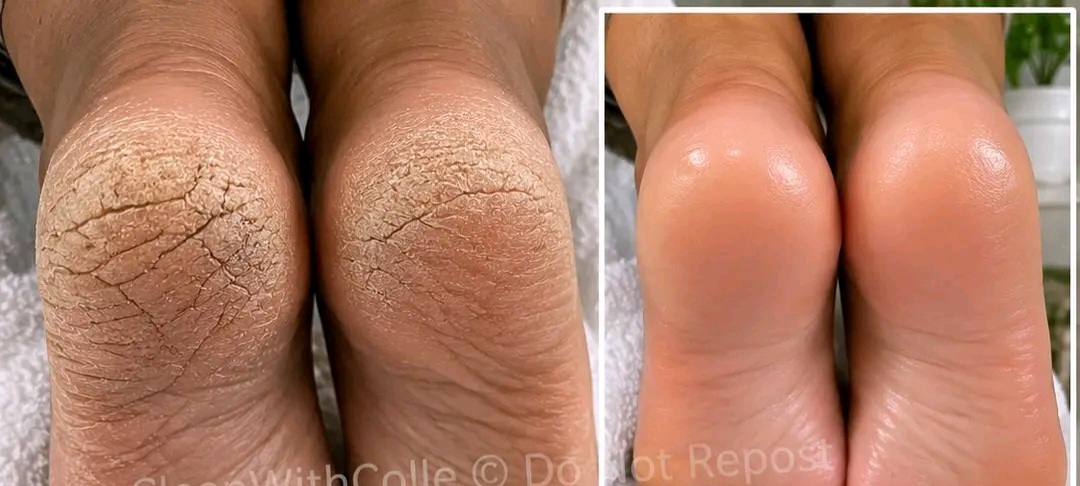
Dry, rough heels can make your feet feel uncomfortable and look flaky. Fortunately, a simple foot care routine using moisturizing ingredients can help soften dry skin and improve the appearance of your heels. The popular baby-soft feet hack combines petroleum jelly, baby oil, and ground cloves to create a homemade mixture designed to moisturize the skin.Before trying this remedy, it is important to understand what each ingredient does, how to use moisturizing products safely, and why ground cloves may not be suitable for everyone. With consistent care and a few simple habits, you can help your feet feel smoother and more comfortable.What Is the Baby-Soft Feet Hack?The baby-soft feet hack is a homemade foot care method that focuses on moisturizing dry heels. The mixture shown in the recipe combines petroleum jelly, baby oil, and powdered cloves. It is typically applied to clean feet, especially the heel area, before wearing socks overnight.The main benefit of this approach comes from moisturizing and protecting the skin. Petroleum jelly forms a protective barrier that helps reduce moisture loss, while baby oil can help soften the skin. Ground cloves, however, have not been proven to make heels smoother or repair cracked skin, and they may cause irritation.For a safer and simpler alternative, petroleum jelly or a fragrance-free foot moisturizer can be used on its own.Ingredients for a Homemade Foot MoisturizerThe original recipe includes three ingredients.1. Petroleum JellyPetroleum jelly is widely used to protect dry skin. It creates a barrier on the skin’s surface, helping retain moisture and reducing dryness.It can be particularly useful for rough heels because it helps prevent the skin from losing moisture. Applying a thin layer to clean, slightly damp heels before bedtime can support softer-feeling skin.Choose plain petroleum jelly without added fragrances or unnecessary ingredients, especially if your skin is sensitive.2. Baby OilBaby oil is commonly used as an emollient to soften the skin and reduce moisture loss. Depending on the product, it may contain mineral oil and fragrance.When used on the heels, baby oil can help the skin feel smoother. However, it may make the feet slippery, so apply it carefully and avoid walking barefoot immediately afterward.If you have sensitive skin, choose a fragrance-free product or skip the oil if it causes irritation.3. Ground ClovesGround cloves are a common culinary spice containing compounds such as eugenol. Although cloves have been studied for certain biological properties, there is insufficient evidence that applying powdered cloves to the heels treats cracked skin or improves foot softness.Clove powder may also irritate sensitive skin, particularly when applied repeatedly or left on overnight. For this reason, adding cloves to a homemade foot treatment is unnecessary and best avoided.How to Soften Dry Heels at HomeA simple moisturizing routine can help improve the appearance and comfort of dry heels without using potentially irritating ingredients.Step 1: Clean your feet.Wash your feet with lukewarm water and a gentle cleanser. Avoid very hot water, which can worsen dryness. Pat your feet dry with a soft towel, paying attention to the spaces between your toes.Step 2: Apply a moisturizer.While your heels are still slightly damp, apply a fragrance-free moisturizing cream. Products containing urea or lactic acid may help soften thick, rough skin when used according to their labels. Avoid applying these ingredients directly to deep cracks or irritated skin because they may sting.Step 3: Seal in moisture.For particularly dry heels, apply a thin layer of plain petroleum jelly over the moisturizer. This protective layer helps reduce water loss and keeps the skin hydrated for longer.Step 4: Wear comfortable cotton socks.Put on clean cotton socks before bedtime to help keep the moisturizer in place. Make sure the socks fit comfortably and do not restrict circulation.Step 5: Repeat consistently.Follow this routine daily or as needed. Improvement depends on how dry the skin is and whether other factors, such as footwear or frequent exposure to water, contribute to the problem.Benefits of Moisturizing Your Heels RegularlyA consistent foot care routine can offer several benefits.- Helps reduce dryness: Moisturizers replenish the skin’s surface and help prevent further moisture loss.- Improves skin softness: Emollients help rough skin feel smoother and more comfortable.- Supports the skin barrier: Petroleum jelly helps protect the outer layer of the skin.- May reduce minor flaking: Keeping the skin hydrated can make dry, flaky areas less noticeable.- Supports everyday comfort: Well-moisturized heels may be less likely to feel tight or rough.These benefits come primarily from moisturizing and protecting the skin, rather than from adding spices to the mixture.Important Safety Tips for Cracked HeelsAlthough home foot care can help mild dryness, deep or persistent heel cracks require extra attention.Avoid cutting away thick skin with blades or sharp tools. Do not scrub aggressively, particularly when the skin is cracked, painful, or bleeding. Avoid homemade mixtures containing ground spices, essential oils, or other ingredients that may irritate the skin.If you have diabetes, reduced circulation, or reduced sensation in your feet, consult a healthcare professional before using intensive foot treatments or attempting to remove thick skin yourself.Seek medical advice if your heels are deeply cracked, bleeding, swollen, increasingly painful, or showing signs of infection. Persistent scaling, itching, or redness may also require assessment because dryness is not the only possible cause of these symptoms.How to Prevent Dry, Rough HeelsPrevention is often easier than treating severely dry skin. Apply moisturizer regularly, especially after bathing, and avoid prolonged exposure to hot water. Wear comfortable shoes that support your heels and reduce friction.Try not to walk barefoot on rough surfaces for extended periods. If your feet become sweaty, change into clean, dry socks and allow your shoes to air out between uses.Drink enough water to stay hydrated, but remember that drinking extra water alone will not necessarily resolve cracked heels. Direct skin care and appropriate footwear are usually more important for managing ordinary heel dryness.Final ThoughtsThe baby-soft feet hack highlights a useful principle of foot care: dry heels often benefit from consistent moisturizing and protection. Petroleum jelly and suitable moisturizing products can help soften rough skin, while comfortable socks can help keep the treatment in place overnight.However, ground cloves are not a proven treatment for cracked heels and may irritate the skin. A simpler routine using a fragrance-free moisturizer followed by plain petroleum jelly is a more practical option for many people.With regular care, appropriate footwear, and attention to warning signs, you can support healthier-feeling feet without relying on unnecessary or potentially irritating ingredients.SEO Title: Baby-Soft Feet Hack: How to Soften Dry, Cracked HeelsMeta Description: Learn how to soften dry, rough heels at home with petroleum jelly, moisturizing cream, and simple overnight foot care tips.Focus Keyphrase: baby-soft feet hackRelated Keyphrases: how to soften dry heels, cracked heel home care, petroleum jelly for dry feet, overnight foot moisturizing routine, natural foot care tips