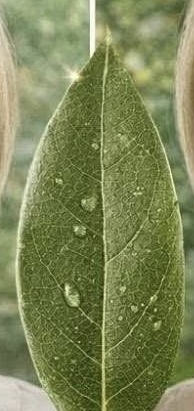
Bay leaves have been used for centuries in cooking and traditional herbal practices, but their growing popularity in skincare has created many claims about their ability to reduce wrinkles and make the skin look younger. Some social media posts even suggest that bay leaves are more powerful than Botox. However, there is no reliable scientific evidence showing that bay leaves can erase wrinkles or produce effects comparable to Botox.
That does not mean bay leaves have no value. They contain naturally occurring plant compounds with antioxidant properties, making them an interesting ingredient to explore as part of a gentle skincare routine. The key is understanding what bay leaves may realistically do for the skin and what claims should be treated with caution.
What Are Bay Leaves?
Bay leaves come from several plants in the laurel family and are commonly used to add flavor to soups, stews, sauces, and other dishes. They contain various aromatic compounds and plant antioxidants.
Antioxidants are substances that help protect cells from oxidative stress. Oxidative stress can contribute to cellular damage and is one of several factors involved in skin aging. Because of this, plant-based ingredients containing antioxidants are frequently included in skincare products.
However, the presence of antioxidants does not automatically mean that a plant can remove existing wrinkles. Skin aging is a complex process influenced by genetics, sun exposure, collagen changes, lifestyle, and many other factors.
Can Bay Leaves Remove Wrinkles?
There is currently no strong clinical evidence that applying bay leaf preparations to the skin can erase wrinkles, tighten aging skin, or produce Botox-like results.
Botox works through a specific medical mechanism that temporarily reduces the activity of targeted facial muscles. Bay leaves do not work in the same established way.
A homemade bay leaf preparation may make the skin feel temporarily refreshed or moisturized depending on the other ingredients used, but this should not be confused with permanent wrinkle reduction.
Claims such as “100,000 times more powerful than Botox” are therefore not scientifically supported.
Potential Skin Benefits of Bay Leaves
Although bay leaves should not be considered a Botox alternative, they contain compounds that make them interesting from a skincare perspective.
Their antioxidant content may help support a healthy-looking skin barrier when used appropriately. Some traditional preparations also use aromatic herbs for their soothing qualities.
However, most evidence surrounding bay leaf compounds comes from laboratory or traditional research rather than high-quality human clinical trials specifically demonstrating wrinkle reduction.
This distinction is important. A substance showing antioxidant activity in a laboratory does not necessarily produce the same result when applied to human skin.
A Simple Bay Leaf Skin Preparation
If you want to experiment with bay leaves as a cosmetic ingredient, keep the approach gentle and simple.
You can prepare a mild bay leaf infusion by adding a small number of clean, dried culinary bay leaves to hot water. Allow the mixture to cool completely and strain it carefully. Once cooled, it can be used as a gentle rinse rather than being treated as a wrinkle-removing solution.
Avoid applying concentrated bay leaf essential oil directly to the skin. Essential oils can cause irritation or allergic reactions when improperly diluted.
Before trying any homemade botanical preparation on your face, test a small amount on an inconspicuous area of skin first. Stop using it if you experience burning, redness, itching, or irritation.
Better Proven Ways to Protect Skin From Wrinkles
If your goal is healthier-looking skin and prevention of premature skin aging, some habits have considerably stronger support than homemade herbal remedies.
Daily sun protection is one of the most important steps. Ultraviolet radiation contributes significantly to premature skin aging, including wrinkles, uneven pigmentation, and loss of skin elasticity. Using a broad-spectrum sunscreen and limiting unnecessary sun exposure can help protect the skin.
Keeping the skin moisturized can also temporarily make fine lines appear less noticeable by improving the skin’s hydration.
A balanced diet containing fruits, vegetables, protein, healthy fats, and adequate fluids can support overall health, including skin health. Getting enough sleep and avoiding smoking are also important lifestyle factors.
What About Natural Anti-Aging Ingredients?
Many natural ingredients are promoted as alternatives to professional cosmetic treatments. Some may have useful moisturizing or antioxidant properties, but “natural” does not automatically mean more effective or safer.
When choosing skincare products, look for ingredients with research supporting their intended use. Depending on your age and skin type, ingredients such as moisturizers, antioxidants, and dermatologist-recommended treatments may be more appropriate than homemade preparations.
People with sensitive skin should be particularly cautious with concentrated herbal ingredients and essential oils.
The Bottom Line
Bay leaves can be an interesting botanical ingredient, but there is no good evidence that they erase wrinkles or are more powerful than Botox. Their antioxidant compounds may offer potential skincare benefits, but these should not be exaggerated.
For healthier-looking skin, focus on consistent sun protection, gentle cleansing, regular moisturizing, a balanced diet, and a skincare routine suited to your needs. If you are concerned about noticeable wrinkles or other changes in your skin, a qualified healthcare or dermatology professional can recommend evidence-based options.
Bay leaves can remain a useful culinary herb and may be explored cautiously in simple skincare preparations, but they should not be presented as a miracle anti-aging treatment.