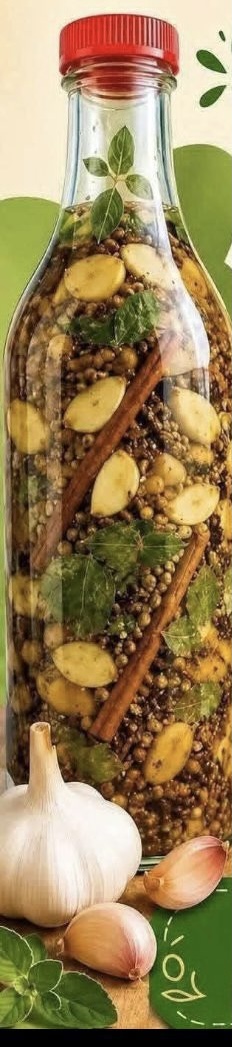
Garlic, oregano, and cinnamon are three flavorful ingredients that have been used in traditional cooking and herbal practices for generations. They are often combined in social-media recipes that claim to support the liver, eliminate parasites, relieve arthritis, prevent cancer, lower blood pressure, or promote weight loss.
While these ingredients contain interesting plant compounds, it is important to separate traditional use from scientifically proven medical benefits. A mixture of garlic, oregano, and cinnamon should be viewed as a food-based combination rather than a cure for disease.
Garlic and Its Potential Health Benefits
Garlic is one of the most extensively studied ingredients in this combination. It contains sulfur-containing compounds that contribute to its characteristic smell and flavor. Garlic has been investigated for possible effects on cholesterol, blood pressure, blood sugar, and cardiovascular health.
According to the National Center for Complementary and Integrative Health, garlic supplements may produce small reductions in total cholesterol and LDL cholesterol in people with elevated cholesterol. There is also limited evidence that garlic preparations may slightly lower blood pressure in people with hypertension.
However, these findings do not mean that eating garlic can replace prescribed medication. The effects observed in studies can also depend on the form of garlic, the amount used, and the length of treatment.
Garlic is generally considered safe in the amounts normally used in food. Larger supplemental amounts may cause digestive discomfort and can increase bleeding risk, particularly in people taking anticoagulant medicines.
What About Oregano?
Oregano contains aromatic compounds such as carvacrol and thymol, which have attracted scientific interest. Laboratory research has investigated oregano extracts for antioxidant and antimicrobial activity.
However, laboratory findings should not be confused with proof that oregano can treat infections, parasites, cancer, or other diseases in humans. Evidence for concentrated oregano products is not strong enough to support replacing medical treatment with them.
Using oregano as a culinary herb is a simple way to add flavor to vegetables, soups, sauces, beans, and other foods without relying on excessive salt or sugar.
Cinnamon Adds More Than Flavor
Cinnamon contains several naturally occurring compounds, including cinnamaldehyde and, depending on the variety, varying amounts of coumarin.
Research has explored cinnamon supplementation in relation to blood sugar and metabolic health. Some studies have reported potentially useful effects, but the overall evidence remains inconsistent, and the National Center for Complementary and Integrative Health notes that research does not clearly support cinnamon for a specific health condition.
The type of cinnamon also matters. Cassia cinnamon generally contains much more coumarin than Ceylon cinnamon. Large or prolonged consumption of cassia cinnamon may be a concern for people with liver disease because coumarin can affect the liver.
For this reason, cinnamon is best enjoyed as a culinary spice rather than consumed in large concentrated quantities.
Can This Mixture Help With Fatty Liver?
The image associated with this topic suggests that garlic, oregano, and cinnamon can treat fatty liver. That claim is too strong.
There is some research involving garlic and people with nonalcoholic fatty liver disease. For example, one randomized controlled trial investigated garlic powder supplementation in people with fatty liver and reported improvements in blood pressure and certain inflammatory markers.
Nevertheless, this study investigated a specific garlic supplement under controlled conditions. It does not prove that a homemade mixture of garlic, oregano, and cinnamon can reverse fatty liver.
Management of fatty liver generally depends on the underlying cause and may involve nutrition, physical activity, weight management when appropriate, and treatment of associated medical conditions under professional guidance.
Does It Eliminate Parasites?
Another popular claim is that this herbal combination can eliminate intestinal parasites. There is not enough reliable clinical evidence to recommend a homemade garlic, oregano, and cinnamon mixture as a treatment for parasitic infections.
Some compounds from herbs may demonstrate antimicrobial or antiparasitic effects in laboratory experiments. However, treating an actual infection requires identifying the cause and using an appropriate treatment when one is available.
A homemade herbal drink should therefore not be considered a substitute for medical evaluation when someone has symptoms suggesting an infection.
What About Cancer?
Garlic and several herbs have been studied in cancer research, including laboratory and observational research. However, evidence that a homemade garlic, oregano, and cinnamon mixture can prevent or cure cancer is not established.
The National Center for Complementary and Integrative Health notes that only limited clinical research has examined the potential anticancer effects of garlic supplements, and available evidence does not support treating cancer with garlic products.
This distinction is essential. A substance that affects cancer cells in a laboratory experiment is not automatically an effective or safe cancer treatment in humans.
Could It Lower Blood Pressure?
Garlic is the ingredient in this combination with the clearest research suggesting a possible small blood-pressure effect. Reviews of garlic preparations have found some evidence of reduced blood pressure in people with hypertension, although many studies have been small or of limited quality.
Importantly, dietary supplements have not been shown to lower blood pressure as effectively as standard blood-pressure medicines. People with hypertension should follow the treatment plan recommended by their healthcare professional rather than replacing medication with herbal mixtures.
A Better Way to Enjoy These Ingredients
Garlic, oregano, and cinnamon can all have a place in a varied diet. Garlic and oregano work especially well in savory dishes, while cinnamon can be used in foods such as oatmeal, fruit, or yogurt.
Instead of preparing a highly concentrated medicinal mixture, consider using these ingredients naturally in meals. This approach provides flavor while contributing to an overall varied eating pattern.
A balanced diet containing vegetables, fruits, whole grains, legumes, nuts, seeds, and other nutritious foods is much more important than relying on one particular combination.
Important Safety Considerations
Natural ingredients can still have biological effects and may interact with medicines. Garlic supplements, for example, can increase bleeding risk, while large amounts of cassia cinnamon may be problematic for people with liver conditions because of coumarin.
Concentrated herbal products can also differ significantly from the small quantities normally used in cooking. Anyone taking medication or managing a medical condition should discuss herbal supplements with a qualified healthcare professional before using concentrated preparations.
The Bottom Line
Garlic, oregano, and cinnamon are nutritious and flavorful culinary ingredients with interesting compounds that continue to be studied. Garlic has some evidence for modest effects on cholesterol and blood pressure, while research on cinnamon and oregano remains less conclusive for treating specific diseases.
The viral claim that this combination can cure fatty liver, parasites, arthritis, cancer, high blood pressure, menopause symptoms, or obesity is not supported by sufficient clinical evidence. The best way to benefit from these ingredients is to enjoy them as part of a varied, balanced diet rather than treating them as a replacement for professional medical care.