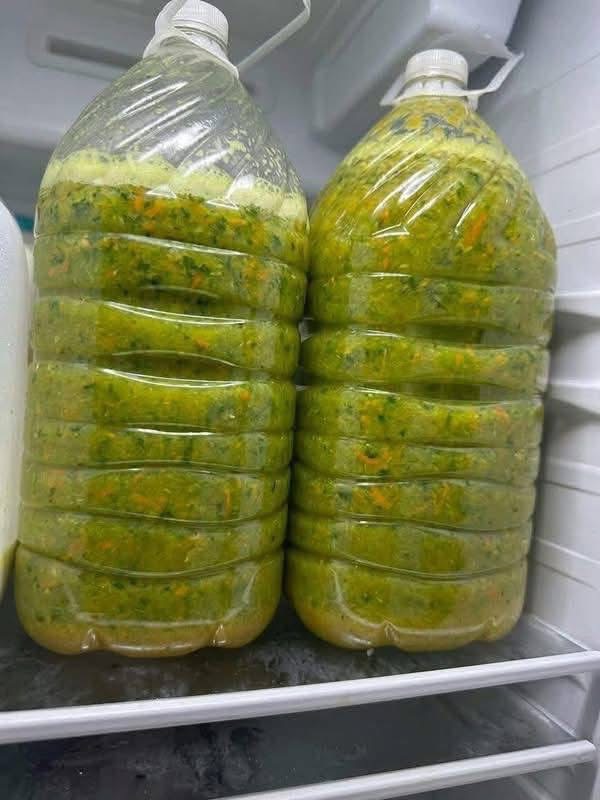
Preparing vegetables in advance is one of the easiest ways to make homemade meals faster, more convenient, and budget-friendly. A homemade vegetable soup mix can be prepared in a large batch, portioned, and stored in the refrigerator or freezer for future meals. With a combination of fresh vegetables, herbs, and simple seasonings, you can create a versatile base for soups, stews, sauces, and other comforting dishes.
Making your own vegetable mix also gives you complete control over the ingredients. Instead of relying on highly processed soup bases, you can choose fresh vegetables and adjust the flavors according to your preferences.
What Vegetables Can You Use?
A homemade vegetable soup mix can be customized with many different vegetables. Common choices include carrots, onions, celery, zucchini, bell peppers, tomatoes, leeks, parsley, and garlic.
Carrots add natural sweetness and color, while onions create a flavorful foundation. Celery provides a fresh aroma and works particularly well in traditional soups. Zucchini and bell peppers can add extra texture and variety.
You do not need to follow one exact recipe. The best combination depends on what vegetables you already have available. Using seasonal vegetables can also make the mixture more affordable.
Simple Homemade Vegetable Soup Mix
To prepare a basic vegetable mixture, start by washing all fresh vegetables thoroughly. Remove any damaged portions and peel vegetables when appropriate.
Chop the vegetables into small, relatively uniform pieces. Smaller pieces are convenient because they cook quickly and distribute evenly throughout a soup.
A simple combination could include:
- Carrots
- Onions
- Celery
- Zucchini
- Bell peppers
- Tomatoes
- Fresh parsley
- Garlic
- A small amount of olive oil, if desired
- Dried or fresh herbs
Place the prepared vegetables in a large bowl and mix them gently. You can divide the mixture into meal-sized portions before storing it.
How to Store Homemade Vegetable Mix
Proper storage is essential when preparing vegetables in advance. If you plan to use the mixture within a short period, keep it refrigerated in clean, airtight food containers.
For longer storage, freezing is generally more practical. Divide the vegetables into portions that are appropriate for one meal. Place each portion into a suitable freezer-safe container or bag, remove excess air when possible, and label it with the date.
Freezing individual portions makes meal preparation much easier. Instead of preparing vegetables from scratch every time you want soup, you can simply take out the amount you need.
Avoid storing homemade vegetable mixtures in ordinary plastic bottles unless the container is specifically designed and labeled for food storage and freezing. Liquids and expanding foods can create pressure, while some plastics are not intended for repeated food storage or freezing.
How to Make Vegetable Soup With the Mix
Once your vegetable mixture is ready, preparing soup is simple.
Heat a little cooking oil in a large pot and add the vegetable mixture. Cook gently for several minutes to develop the flavors. Add water or a suitable broth, followed by herbs and seasonings.
You can include ingredients such as black pepper, bay leaves, thyme, parsley, or a small amount of salt. Bring the soup to a boil, then reduce the heat and simmer until the vegetables are tender.
For a more filling meal, add beans, lentils, potatoes, rice, pasta, or another protein source. Chicken or other ingredients can also be added depending on the recipe and dietary preferences.
Benefits of Preparing Vegetables in Advance
One of the biggest advantages of homemade vegetable soup mix is convenience. Having prepared vegetables available can significantly reduce the amount of time required to cook a homemade meal.
It can also help reduce food waste. Vegetables that are approaching the end of their best quality can often be cleaned, chopped, and incorporated into a cooked dish rather than being discarded.
Another advantage is flexibility. A vegetable mixture can become the base for many different recipes. Add broth for soup, tomatoes for a vegetable stew, beans for a hearty meal, or cooked grains for a nutritious bowl.
Keep Food Safety in Mind
Fresh vegetables should be handled carefully before storage. Wash produce appropriately, use clean utensils and containers, and refrigerate perishable ingredients promptly.
If a prepared mixture has an unusual smell, visible mold, significant discoloration, or other signs of spoilage, it should be discarded rather than tasted.
When freezing food, divide large quantities into smaller portions so they freeze more efficiently and are easier to thaw. Keep track of storage dates and use older portions first.
For the best quality, follow food-safety guidance for refrigerator and freezer storage rather than relying only on appearance.
Easy Ways to Customize Your Vegetable Mix
The beauty of homemade vegetable soup mix is that there are countless ways to change it.
For a Mediterranean-inspired flavor, try tomatoes, zucchini, onions, garlic, bell peppers, and parsley. For a classic vegetable soup, carrots, celery, onions, potatoes, and herbs make an excellent combination.
You can also prepare a green vegetable version using zucchini, spinach, celery, parsley, and peas. Another option is a hearty root-vegetable mixture featuring carrots, potatoes, parsnips, and onions.
Adding herbs at different stages of cooking can also change the final flavor. Fresh herbs can provide a bright taste, while dried herbs are convenient for long-term storage.
Why Homemade Is Worth Trying
A homemade vegetable soup mix is an inexpensive and practical kitchen preparation that can make everyday cooking easier. It allows you to use ingredients you already have, customize flavors, control added salt, and create quick meals with minimal preparation.
Instead of reaching for a packaged soup mix, you can build your own vegetable base and keep convenient portions ready for future recipes. With proper storage and safe food-handling practices, this simple preparation can become a useful part of a busy weekly cooking routine.
Whether you prefer a light vegetable broth, a creamy soup, or a hearty stew, having chopped vegetables ready to go can save time while making homemade cooking more accessible. A little preparation today can make tomorrow’s meal much easier.