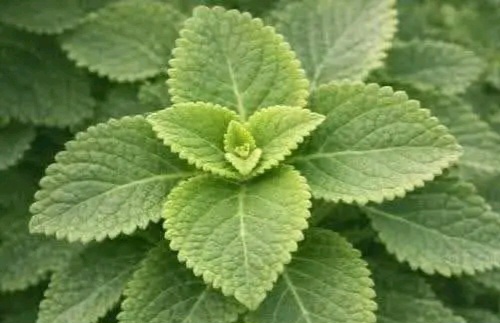
Oregano is a popular aromatic herb used in Mediterranean and Middle Eastern cooking, but it has also been traditionally used as a natural remedy for a variety of everyday health concerns. The leaves contain plant compounds such as carvacrol, thymol, and other antioxidants that have attracted scientific interest. However, claims that eating one oregano leaf every day can completely prevent or cure conditions such as bronchitis, asthma, anxiety, insomnia, rheumatic pain, vomiting, or diarrhea are not supported by strong clinical evidence.That does not mean oregano has no potential benefits. It means that oregano should be viewed as a nutritious culinary herb rather than a replacement for appropriate medical care.Oregano Leaves and Antioxidant CompoundsFresh oregano leaves contain several naturally occurring compounds with antioxidant activity. Antioxidants help protect cells from oxidative stress caused by unstable molecules known as free radicals.Two of the best-known compounds in oregano are carvacrol and thymol. These substances have been investigated in laboratory studies for their antioxidant and antimicrobial properties. Researchers are particularly interested in oregano because its concentrated extracts and essential oil can contain much higher levels of these compounds than ordinary culinary portions.Adding oregano to meals can therefore be a simple way to increase the variety of herbs and plant foods in your diet.Oregano and Digestive HealthOregano has traditionally been used after meals and in herbal preparations intended to support digestion. Its aromatic compounds may influence the digestive system, although evidence from human studies is still limited.Some people enjoy oregano as part of a balanced meal because herbs can add flavor without requiring large amounts of salt or heavily processed sauces. Oregano tea is another traditional preparation, although it should not be considered a proven treatment for persistent digestive problems.Symptoms such as repeated vomiting, severe diarrhea, abdominal pain, or blood in the stool require appropriate medical attention rather than relying on oregano.Can Oregano Help With Respiratory Problems?Oregano is sometimes promoted online as a remedy for bronchitis, asthma, coughs, and other respiratory conditions. Laboratory research has found interesting antimicrobial and anti-inflammatory properties in certain oregano compounds, but this is very different from proving that eating an oregano leaf can treat a respiratory disease.Asthma, bronchitis, and other breathing conditions can have different causes and may require specific treatment. People experiencing breathing difficulties should not replace prescribed medication with oregano leaves, oregano oil, or herbal preparations.Oregano can still be enjoyed as a culinary herb, but it should not be presented as a cure for respiratory disease.Oregano, Inflammation, and Muscle DiscomfortSome oregano compounds have demonstrated anti-inflammatory activity in laboratory research. This has led to interest in oregano and other herbs as possible sources of useful plant compounds.However, laboratory findings do not automatically mean that eating oregano will relieve muscle or joint pain in humans. More research is needed to determine whether oregano preparations have meaningful therapeutic effects.For occasional discomfort, oregano can be included in a healthy diet, but persistent or severe pain should be evaluated by a healthcare professional.Oregano and Immune HealthA varied diet containing vegetables, fruits, whole grains, legumes, nuts, seeds, herbs, and other plant foods supports overall nutrition. Oregano can contribute small amounts of beneficial plant compounds as part of this dietary pattern.Nevertheless, there is no reliable evidence that eating one oregano leaf each day can dramatically strengthen the immune system or prevent infections. Healthy sleep, regular physical activity, adequate nutrition, and appropriate medical care remain much more important foundations for general health.How to Use Fresh Oregano LeavesFresh oregano can be used in many simple recipes. The leaves can be chopped and added to salads, roasted vegetables, soups, beans, eggs, sauces, or grilled foods. They can also be combined with olive oil, garlic, lemon, and other herbs to create a flavorful dressing.Oregano tea is another traditional option. If you choose to consume oregano this way, using ordinary culinary quantities is generally more appropriate than consuming highly concentrated preparations.Oregano essential oil is different from fresh oregano leaves. Essential oils are highly concentrated and should not be casually consumed. They may cause irritation or other unwanted effects, particularly when used incorrectly.Important Safety ConsiderationsNatural does not automatically mean risk-free. Oregano used as a normal culinary herb is generally different from concentrated oregano supplements or essential oil.People taking medications, those with allergies to herbs in the mint family, and anyone considering concentrated herbal products should speak with a healthcare professional before using them regularly. Pregnant or breastfeeding individuals should also seek professional advice before using medicinal amounts of herbal products.Most importantly, oregano should not be used as a substitute for treatment of asthma, serious infections, persistent digestive symptoms, or other medical conditions.The Bottom LineOregano leaves are flavorful, versatile, and contain interesting natural plant compounds, including carvacrol and thymol. Research into oregano’s antioxidant, antimicrobial, and other biological properties is promising, but much of the evidence comes from laboratory or preliminary studies.The popular claim that eating just one oregano leaf every day can eliminate bronchitis, asthma, anxiety, insomnia, pain, vomiting, diarrhea, and other conditions is an exaggeration and should not be treated as medical advice.For most people, the best way to enjoy oregano is as part of a balanced diet. Use fresh or dried oregano to add flavor to healthy meals, while relying on qualified healthcare professionals for the diagnosis and treatment of medical conditions.SEO Keywords: oregano leaves benefits, oregano health benefits, fresh oregano leaves, oregano uses, oregano antioxidants, oregano tea, oregano and digestion, oregano natural remedies, oregano safety, oregano nutrition