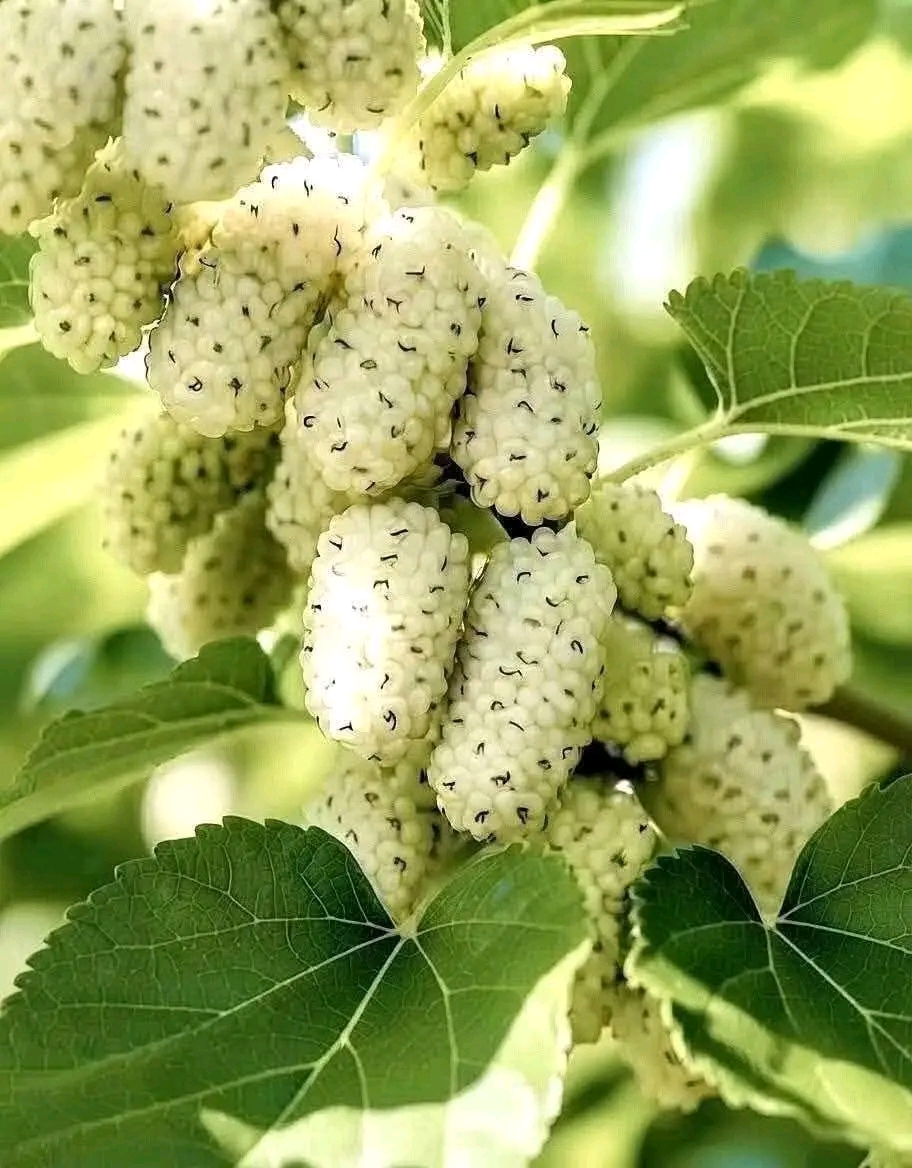
White mulberries are small, sweet fruits that grow on mulberry trees and are known for their pale color, elongated shape, and delicate flavor. Although they are often associated with traditional food and herbal practices, white mulberries can also be enjoyed as part of a balanced diet. Fresh, dried, or incorporated into different recipes, these fruits provide several nutrients and naturally occurring plant compounds.What Are White Mulberries?White mulberries come from the mulberry tree, particularly species and varieties associated with Morus alba. Despite their name, ripe fruits can range from white and cream to pink or light purple depending on the variety and growing conditions.The berries have a soft texture and a naturally sweet taste. They are commonly eaten fresh when available, while dried white mulberries are often used as a snack or added to breakfast bowls, cereals, desserts, and homemade energy mixes.White mulberry trees have also played an important role in agriculture because their leaves are traditionally used to feed silkworms. Today, both the fruit and leaves continue to attract interest because of their nutritional and botanical properties.Nutritional Value of White MulberriesWhite mulberries can contribute useful nutrients to the diet, although their exact nutritional composition varies depending on whether they are fresh or dried.Fresh fruit contains water, natural carbohydrates, fiber, vitamins, minerals, and various plant compounds. Dried white mulberries are more concentrated because much of their water has been removed. As a result, dried berries generally contain more calories and naturally occurring sugars per gram than fresh berries.They can also provide small amounts of nutrients such as vitamin C, vitamin K, iron, potassium, and other minerals. Their fiber content can contribute to normal digestive function and help make meals more satisfying.For everyday nutrition, portion size matters, particularly when eating dried fruit. A small serving can provide sweetness and nutrients without making the snack excessively large.White Mulberries and AntioxidantsOne reason mulberries receive attention is their content of naturally occurring plant compounds. Fruits contain various polyphenols and other compounds that contribute to their color, flavor, and antioxidant activity.Antioxidants are substances that help protect cells from oxidative stress as part of the body’s normal biological processes. Eating a varied diet containing fruits, vegetables, whole grains, nuts, and other plant foods is one practical way to obtain a broad range of these compounds.However, it is important not to treat white mulberries as a cure or replacement for medical treatment. Research into individual compounds found in mulberries is interesting, but findings from laboratory or preliminary studies do not automatically mean that eating the fruit will produce the same effects in humans.Potential Digestive BenefitsWhite mulberries contain dietary fiber, especially when eaten in less processed forms. Fiber is an important part of a healthy diet because it supports normal bowel function and contributes to digestive health.Including fiber-rich foods regularly can also help create a more balanced eating pattern. Fresh fruits such as mulberries can therefore be a useful addition to meals and snacks.If you are increasing your fiber intake, it is generally helpful to do so gradually and drink enough fluids. Eating a large amount of dried fruit at once may provide considerably more fiber and sugar than expected.White Mulberries as a Convenient SnackDried white mulberries can be particularly convenient because they do not require refrigeration and are easy to carry. Their naturally sweet flavor makes them an alternative to some highly processed sweet snacks.They can be eaten on their own or combined with other nutritious foods. For example, they can be added to oatmeal, plain yogurt, unsweetened cereal, homemade trail mix, or a smoothie.For a balanced snack, consider pairing dried mulberries with a source of protein or healthy fat, such as yogurt, nuts, or seeds. This can create a more satisfying combination than eating dried fruit alone.How to Eat White MulberriesThere are many simple ways to include white mulberries in your diet. Fresh berries can be washed and eaten directly, while dried berries can be used in both sweet and savory recipes.Popular ideas include:Adding fresh mulberries to yogurt or oatmealMixing dried mulberries with nuts and seedsBlending fresh fruit into smoothiesSprinkling dried berries over breakfast cerealsAdding chopped mulberries to homemade baked goodsCombining them with other fresh fruits in a fruit saladUsing them as a naturally sweet ingredient in homemade snack mixesBecause dried mulberries are concentrated, a modest serving is usually enough to add sweetness and texture to a meal.Fresh vs. Dried White MulberriesFresh and dried white mulberries have different nutritional characteristics. Fresh berries contain substantially more water, which makes them lighter and generally less calorie-dense by weight. Dried berries are more concentrated and therefore provide more calories and natural sugars in a smaller volume.Neither form is automatically better for every situation. Fresh fruit can be refreshing and hydrating, while dried fruit is portable and has a longer shelf life.When buying dried white mulberries, checking the ingredient list can be useful. Some products may contain added sugar or other ingredients, while others contain only dried fruit.Are White Mulberries Safe to Eat?For most people, white mulberries can be enjoyed as a normal food when consumed in reasonable portions. As with any fruit, individual allergies or digestive sensitivities are possible.People taking medication or using concentrated mulberry leaf or fruit extracts should be more cautious than someone simply eating the fruit. Supplements and concentrated products can behave differently from ordinary foods and may have stronger effects or interactions.Anyone with a medical condition, food allergy, or concerns about medication interactions should speak with a qualified healthcare professional before regularly using concentrated mulberry products.How to Choose and Store White MulberriesWhen buying fresh white mulberries, look for fruit that appears clean, intact, and reasonably firm for its variety. Fresh berries are delicate and can spoil relatively quickly, so they should be handled carefully and stored appropriately.Dried white mulberries should be kept in a cool, dry place and protected from excessive moisture. Always follow the storage instructions on the package.Final ThoughtsWhite mulberries are a naturally sweet fruit that can add variety to a healthy eating pattern. They provide fiber, nutrients, and plant compounds while offering a convenient option for snacks and recipes. Fresh white mulberries are light and juicy, while dried varieties are portable and more concentrated.Although research continues to investigate the compounds found in mulberries, the simplest way to enjoy their potential nutritional value is to treat them as part of a varied diet rather than as a medicinal remedy. Adding white mulberries to yogurt, oatmeal, smoothies, fruit salads, or homemade snack mixes can be an easy way to enjoy this distinctive fruit.