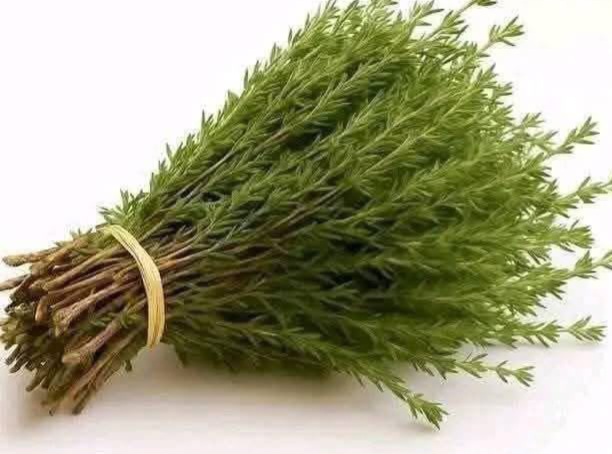
Thyme is a fragrant herb that has been used for centuries in cooking and traditional herbal practices. Known for its distinctive aroma and earthy flavor, thyme is a popular ingredient in Mediterranean cuisine and is also commonly enjoyed as a tea. While social media posts sometimes describe thyme as a “powerful plant” capable of treating numerous diseases, many of these claims go beyond what scientific evidence currently supports.What Is Thyme?Thyme belongs to the Thymus genus of aromatic plants in the mint family. It is especially common throughout Mediterranean regions and is available fresh or dried. The herb contains naturally occurring plant compounds, including thymol and carvacrol, which have attracted scientific interest because of their biological activity.Thyme can be added to soups, vegetables, meat dishes, sauces, and salads. It can also be prepared as an herbal infusion. Its pleasant flavor makes it an easy way to add variety to everyday meals.Traditional Uses of ThymeTraditionally, thyme has been used in herbal preparations for respiratory discomfort, digestion, and general wellness. Thyme preparations have also appeared in traditional remedies for coughs and minor throat complaints.These traditional uses are part of the herb’s long history, but traditional use does not automatically mean that a plant can cure a medical condition. The strength and quality of evidence vary depending on the specific preparation, dose, and health problem being studied.Thyme and Antioxidant CompoundsThyme contains several naturally occurring compounds with antioxidant properties. Antioxidants are substances that help protect cells from oxidative stress caused by unstable molecules known as free radicals.A varied diet containing herbs, vegetables, fruits, whole grains, nuts, and other plant foods can provide many different beneficial compounds. Adding herbs such as thyme to meals can therefore contribute to dietary variety while also improving flavor without relying heavily on salt.Thyme and Respiratory WellnessOne of the best-known traditional uses of thyme is in preparations intended to soothe coughs and respiratory discomfort. Some herbal products containing thyme are marketed for cough-related symptoms.However, thyme should not be considered a replacement for medical treatment. Persistent coughing, breathing difficulties, chest pain, high fever, or worsening symptoms should be evaluated by a healthcare professional. The cause of respiratory symptoms matters, and an herb cannot be assumed to treat every infection or respiratory illness.Does Thyme Destroy Parasites or Infections?Online posts sometimes claim that thyme can eliminate parasites, urinary tract infections, bladder infections, viruses, Candida, or other diseases. These statements should be treated cautiously.Laboratory research has found antimicrobial activity from certain compounds found in thyme, particularly in concentrated extracts or essential oils. Laboratory activity, however, does not mean that eating thyme or drinking thyme tea will eliminate an infection inside the human body.Urinary tract infections and other infections may require appropriate medical diagnosis and treatment. Delaying care in favor of an unproven herbal remedy can allow an infection to become more serious.Thyme and Joint ComfortThyme is sometimes promoted online for arthritis, joint pain, or sciatica. Although its plant compounds are being investigated for various biological effects, there is not enough evidence to describe ordinary thyme consumption as a proven treatment for these conditions.People experiencing ongoing joint or nerve pain should discuss the symptoms with a qualified healthcare professional, particularly when pain is severe, persistent, or accompanied by weakness or other concerning symptoms.How to Add Thyme to Your DietFresh and dried thyme can easily be incorporated into everyday meals. Try adding it to roasted vegetables, soups, beans, potatoes, chicken, fish, or homemade sauces. Thyme can also be combined with other herbs such as rosemary, oregano, parsley, or basil.For a simple herbal tea, culinary thyme can be steeped in hot water. It is important to remember that herbal tea is a beverage rather than a guaranteed treatment for a medical condition.Thyme Essential Oil Is DifferentThyme essential oil is highly concentrated and should not be treated the same way as the culinary herb. Essential oils can cause irritation or other adverse effects when used incorrectly, and swallowing concentrated essential oils can be dangerous.For this reason, concentrated thyme oil should not be consumed unless a qualified healthcare professional specifically recommends an appropriate product and method of use.Final ThoughtsThyme is a versatile culinary herb with a long history of traditional use and a variety of naturally occurring plant compounds. It can be a flavorful addition to a balanced diet and may have interesting properties that continue to be studied.At the same time, claims that thyme can “destroy” parasites, urinary infections, viruses, Candida, arthritis, sciatica, or other diseases are not established simply because the plant contains antimicrobial or antioxidant compounds. Thyme can complement a healthy lifestyle, but it should not replace proper diagnosis or medical treatment when someone is ill.