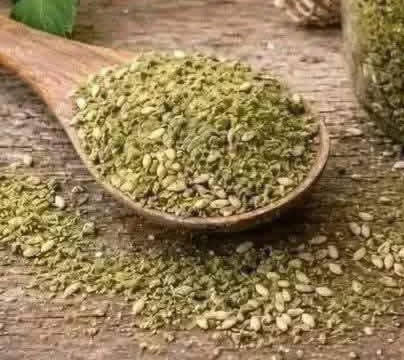
Collagen is one of the most important proteins in the human body. It helps provide structure and strength to the skin, bones, cartilage, tendons, and other connective tissues. As people learn more about collagen, interest in foods and natural ingredients that may support the body’s normal collagen production has grown. However, it is important to separate realistic nutrition information from exaggerated claims about powders, seeds, and homemade remedies.A common social media claim suggests that taking a spoonful of a green seed-based powder every day for several months can dramatically improve the appearance of the skin or make someone look younger. While nutritious seeds can be part of a healthy diet, no single food can guarantee that result. In addition, plant-based ingredients do not naturally contain animal collagen. Instead, some plant foods provide nutrients that the body uses to make and maintain collagen.What Is Collagen?Collagen is a structural protein naturally produced by the body. It is particularly abundant in connective tissues and plays an important role in maintaining the structure of skin, bones, tendons, ligaments, and cartilage.The body makes collagen from amino acids and also relies on several nutrients involved in collagen production. Vitamin C is especially important because it supports normal collagen formation. This is one reason why eating a varied diet containing fruits and vegetables is useful for overall skin and connective-tissue health.Collagen production changes naturally with age, but nutrition is only one part of the picture. Genetics, sun exposure, sleep, physical activity, and general health can all influence how the body and skin change over time.Can Seeds Provide Collagen?Seeds can be highly nutritious, but they are not a direct source of collagen in the same way that collagen-containing animal tissues or collagen peptides are. Instead, seeds may provide protein, healthy fats, fiber, minerals, and antioxidant compounds.Depending on the specific seed, a powdered mixture may contain nutrients such as magnesium, zinc, iron, or healthy unsaturated fats. These nutrients contribute to normal body functions and can form part of a balanced eating pattern.It is therefore more accurate to describe a seed powder as a source of nutrients that may support general health rather than calling it “full of collagen.” Claims that a particular powder can completely transform the skin or make a person’s age impossible to guess are not supported simply by the presence of seeds.Nutrients That Support Normal Collagen ProductionVitamin C is one of the best-known nutrients associated with collagen formation. Foods such as oranges, strawberries, kiwi, bell peppers, tomatoes, and broccoli can provide vitamin C.Protein is also important because collagen itself is a protein. A balanced diet can provide protein through foods such as eggs, dairy products, beans, lentils, fish, poultry, nuts, and seeds.Zinc and copper are minerals involved in many processes throughout the body, including normal connective-tissue maintenance. Eating a variety of foods is generally a better approach than relying on one ingredient or homemade mixture.A Simple Food-First ApproachInstead of looking for a single “anti-aging” ingredient, focus on an overall nutritious eating pattern. Include colorful fruits and vegetables, protein-rich foods, whole grains, nuts, and seeds as appropriate.For example, a simple breakfast could combine yogurt or another suitable protein source with fruit and a small amount of seeds. A lunch might include vegetables, beans or another protein source, and whole grains. These choices provide a range of nutrients rather than concentrating on one supposed miracle ingredient.Hydration also matters for general health. Drinking enough fluids throughout the day and eating water-rich foods can support normal body functions.Protecting Skin Goes Beyond NutritionHealthy-looking skin is influenced by more than what someone eats. Sun protection is particularly important because excessive ultraviolet exposure can contribute to premature skin changes. Using appropriate sun protection, seeking shade, and wearing protective clothing can help reduce unnecessary UV exposure.Good sleep, regular physical activity, and basic skin hygiene are also valuable parts of a healthy lifestyle. None of these habits can stop normal aging, but they can contribute to overall well-being.Be Careful With Viral Health ClaimsSocial media recipes often use phrases such as “one spoon a day,” “natural collagen,” or “look younger in three months.” These statements can sound convincing, but the presence of a healthy ingredient does not automatically prove that a specific recipe produces dramatic results.Before regularly consuming a concentrated powder or supplement, check exactly what ingredients it contains. Some mixtures may include ingredients that can cause allergies or interact with medications. Homemade mixtures can also vary considerably in strength and quality.For teenagers and younger people, there is generally no need to chase anti-aging remedies. The body is still developing, and a balanced diet, adequate sleep, physical activity, and everyday sun protection are much more appropriate foundations for health.The Bottom LineCollagen is essential for the structure and function of many tissues, including the skin. While nutritious seeds and plant foods can provide protein, vitamins, minerals, healthy fats, and other useful nutrients, they should not be described as direct sources of collagen unless they actually contain collagen.There is no single spoonful of powder that can guarantee younger-looking skin or change how old someone appears. A varied, balanced diet combined with healthy daily habits is a more realistic way to support the body’s normal functions.If you enjoy seed-based recipes, they can certainly be included as part of a nutritious eating pattern. The key is to view them as one small part of overall nutrition rather than a miracle solution. Choosing a variety of nutrient-rich foods gives the body the building blocks it needs to maintain normal collagen production and support healthy skin, bones, and connective tissues.